

- Home
- Geography
Geography
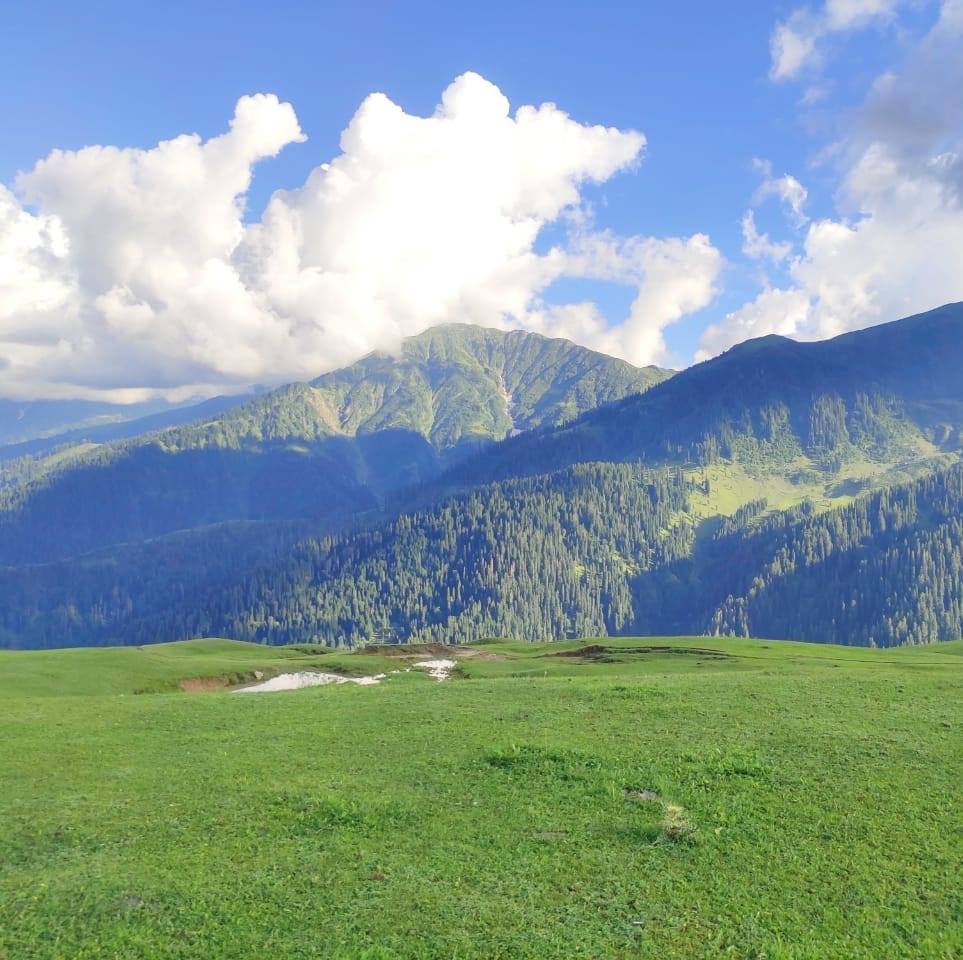
The geography of Bhalessa is characterized by rugged terrains, high-altitude mountains, lush valleys, dense forests, and river systems, offering a spectacular and diverse landscape. Located in the Doda district of Jammu and Kashmir, Bhalessa is a region known for its natural beauty and serene environment. Here's a detailed overview of Bhalessa's geographical features:
1. Location
Bhalessa is located in the northwestern part of Jammu and Kashmir, within the Doda district. The region is strategically situated in the Pir Panjal Range, which is part of the greater Himalayan mountain system.
It is nestled between the Chenab River and the Pir Panjal Range, making the region naturally isolated and scenic.
Bhalessa includes several small towns and villages, including Gulabgarh, which serves as a key gateway to the valley.
2. Topography
Mountainous Terrain: The geography of Bhalessa is dominated by mountain ranges and hills, with elevations ranging from around 1,500 meters to over 3,500 meters above sea level. The terrain is characterized by steep slopes and rugged paths, making it ideal for trekking and mountaineering activities.
Valleys and Basins: The region has several valleys and basins, including the Bhalessa Valley, which is a lush and green area surrounded by high mountains. These valleys are often covered with alpine meadows during the summer months, offering picturesque views.
Forests: Bhalessa is rich in dense forests, primarily composed of pine, oak, deodar, and cedar trees. The high-altitude forests are home to a variety of flora and fauna, contributing to the biodiversity of the region.
3. Rivers and Waterways
Chenab River: One of the key geographical features of Bhalessa is its proximity to the Chenab River, which flows along the western edge of the region. The river is an essential water source for Bhalessa and contributes to the agricultural and cultural life of the area. The river valley also adds to the scenic beauty of Bhalessa, especially in areas like Chanderkote.
Tawi River: The Tawi River, which originates in the Bhalessa region and flows toward the Jammu region, is another significant waterway. It is an important tributary of the Chenab River and sustains local agriculture and water needs.
4. Climate
Sub-Alpine Climate: The climate of Bhalessa varies significantly with elevation. The lower-altitude areas of Bhalessa, such as Gulabgarh, experience a temperate climate, with moderate summers and cold winters. The upper regions, such as Mantalai and Kundal Gali, experience a sub-alpine climate, where winters are particularly harsh with heavy snowfall, while summers are mild and pleasant.
Winter Snowfall: Snowfall is common in the higher regions, especially in winter (November to February), leading to a serene winter landscape. The valleys and towns at lower altitudes experience moderate snow, while snowstorms in higher altitudes can create temporary isolation.
Rainfall: The monsoon season (June to September) brings considerable rainfall to the region, contributing to the lush greenery of the valleys and the growth of agricultural crops.
5. Flora and Fauna
Flora: Bhalessa is home to a rich variety of flora due to its diverse climatic conditions. The forests in the region are thick with pine, deodar, oak, and cherry trees, while alpine meadows are adorned with a variety of wildflowers during the warmer months. The region’s flora plays an important role in the local ecosystem and contributes to the region’s natural beauty.
Fauna: The forests of Bhalessa support a wide range of wildlife, including Himalayan musk deer, brown bears, snow leopards, and several species of birds. The Chenab River and the forests around Bhalessa are home to numerous species of migratory birds, making the region an attractive spot for birdwatching. The biodiversity here is a major draw for nature enthusiasts and conservationists.
6. Natural Resources
Bhalessa is rich in natural resources. The forests provide wood, medicinal plants, and other natural products. The river systems also support agriculture, primarily through irrigation, and contribute to the local economy. In recent years, there has been growing interest in sustainable tourism and conservation efforts, given the region’s ecological significance.
7. Connectivity and Access
Bhalessa is connected to other parts of Jammu and Kashmir by road, though due to its mountainous terrain, access can be challenging, particularly during the winter months when snow and landslides can disrupt travel. The main roads leading to Bhalessa are often narrow and winding, but they offer spectacular views of the surrounding mountains and valleys.
Gulabgarh is the primary entry point for travelers heading into Bhalessa, and it connects to Doda and Jammu. Travel within Bhalessa often involves trekking through forests and along riverbanks, offering a true adventure for explorers.
8. Key Mountain Ranges and Peaks
The Pir Panjal Range is the dominant mountain system in Bhalessa, with many snow-capped peaks and high-altitude meadows. The range runs across the region, creating natural barriers between Bhalessa and the rest of Jammu and Kashmir.
Several glacial streams originate from these mountains and flow down to form small rivers and tributaries that are crucial for the region’s water supply.